
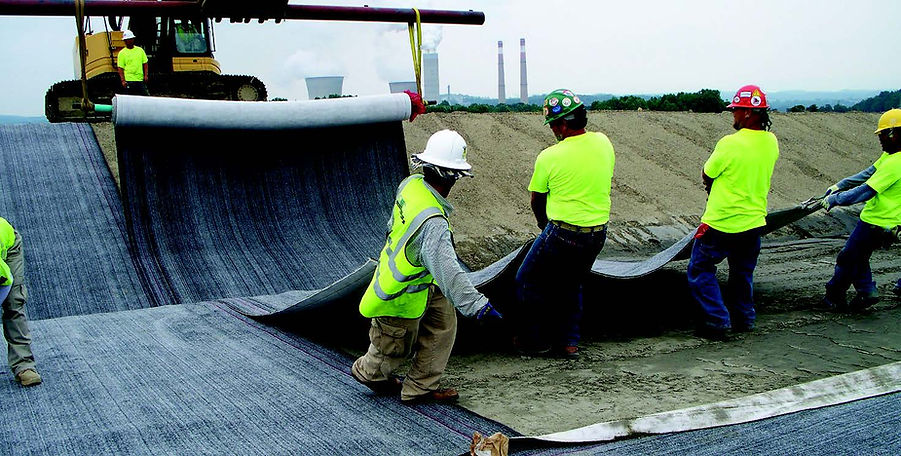
Laminated GCLs: a stronger case than the peel number suggests
Why polymer formulation, finished-layer durability, texture and joints deserve more weight when comparing coated and laminated GCL barriers.
Read articleTechnical articles · practical project guidance
Clear articles on geosynthetic selection, evidence, design inputs, installation and project-direct supply for Australian infrastructure.
Latest article
Each article is written as a practical starting point. Final selection, testing, verification and design responsibility remain project-specific.
Why polymer formulation, finished-layer durability, texture and joints deserve more weight when comparing coated and laminated GCL barriers.
Read articleArticle library
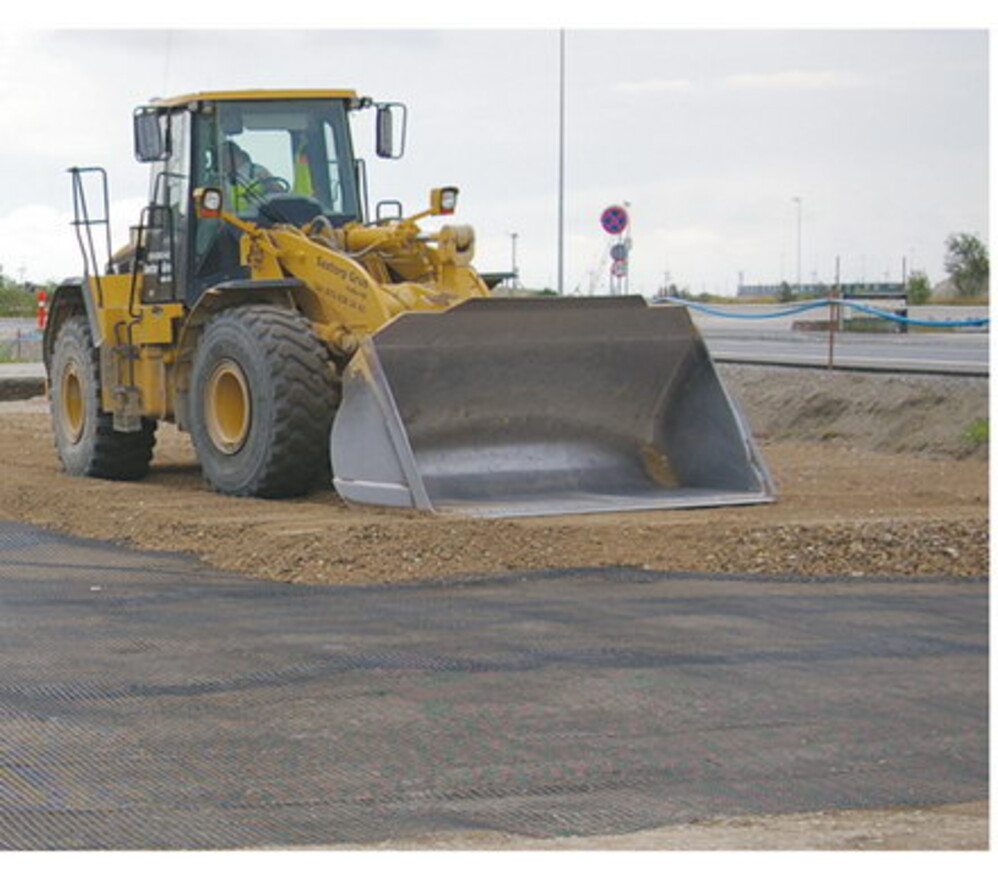
What lateral-restraint research means for grid placement, aggregate compatibility and defensible pavement performance claims.
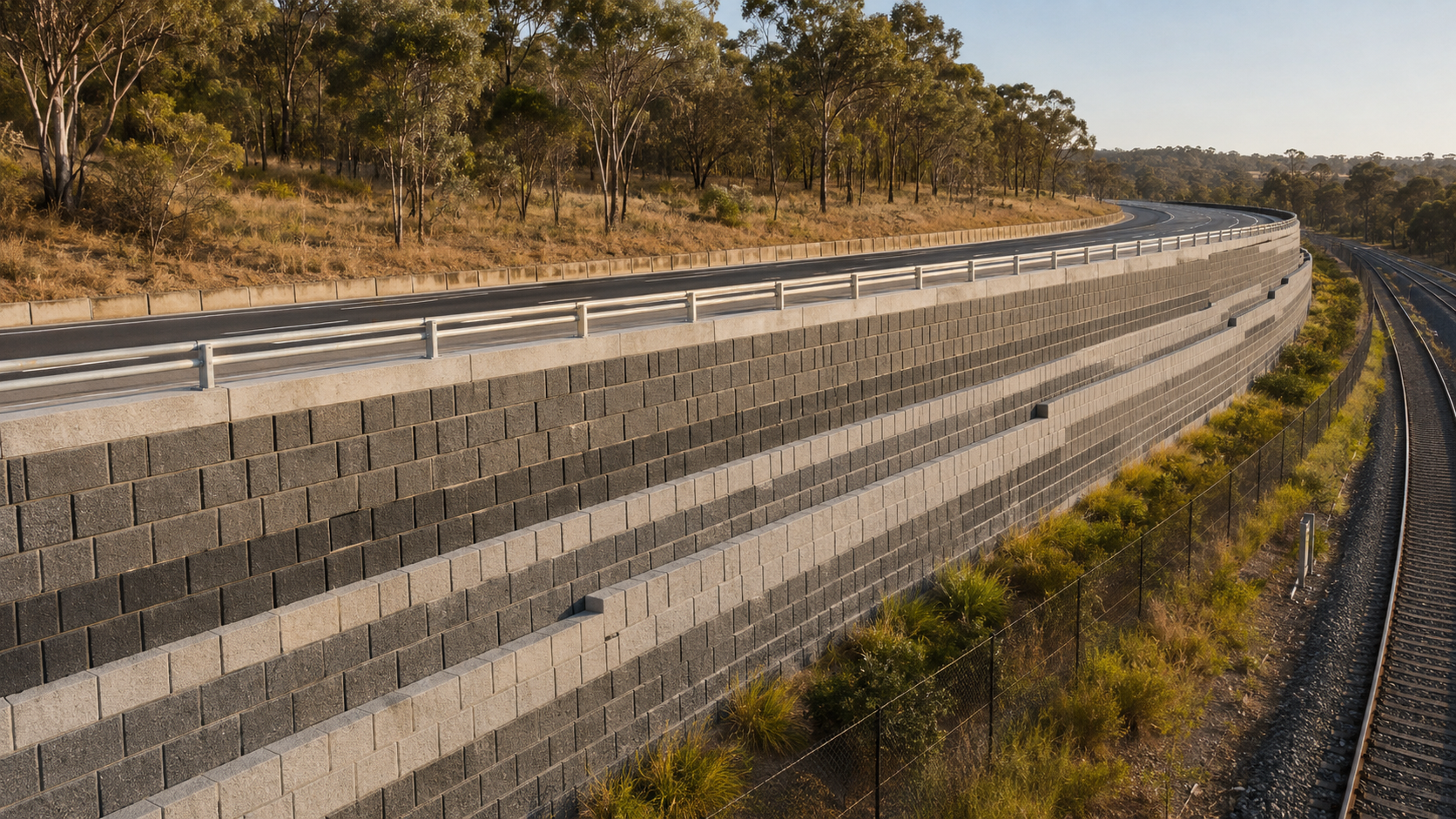
A practical way to compare local and imported fill in reinforced-soil walls without losing sight of drainage, durability and construction risk.
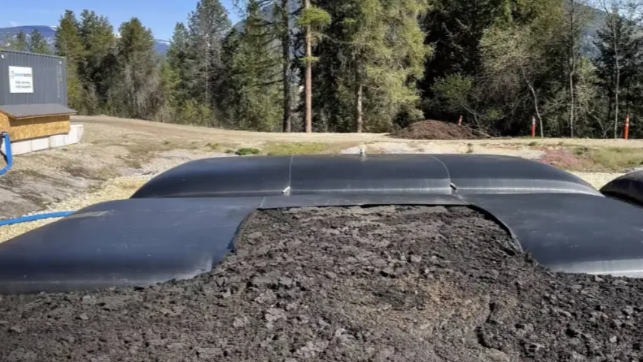
Why failed geobag projects are often predictable — and why crystal-clear filtrate can still leave wet, difficult-to-handle biosolids.
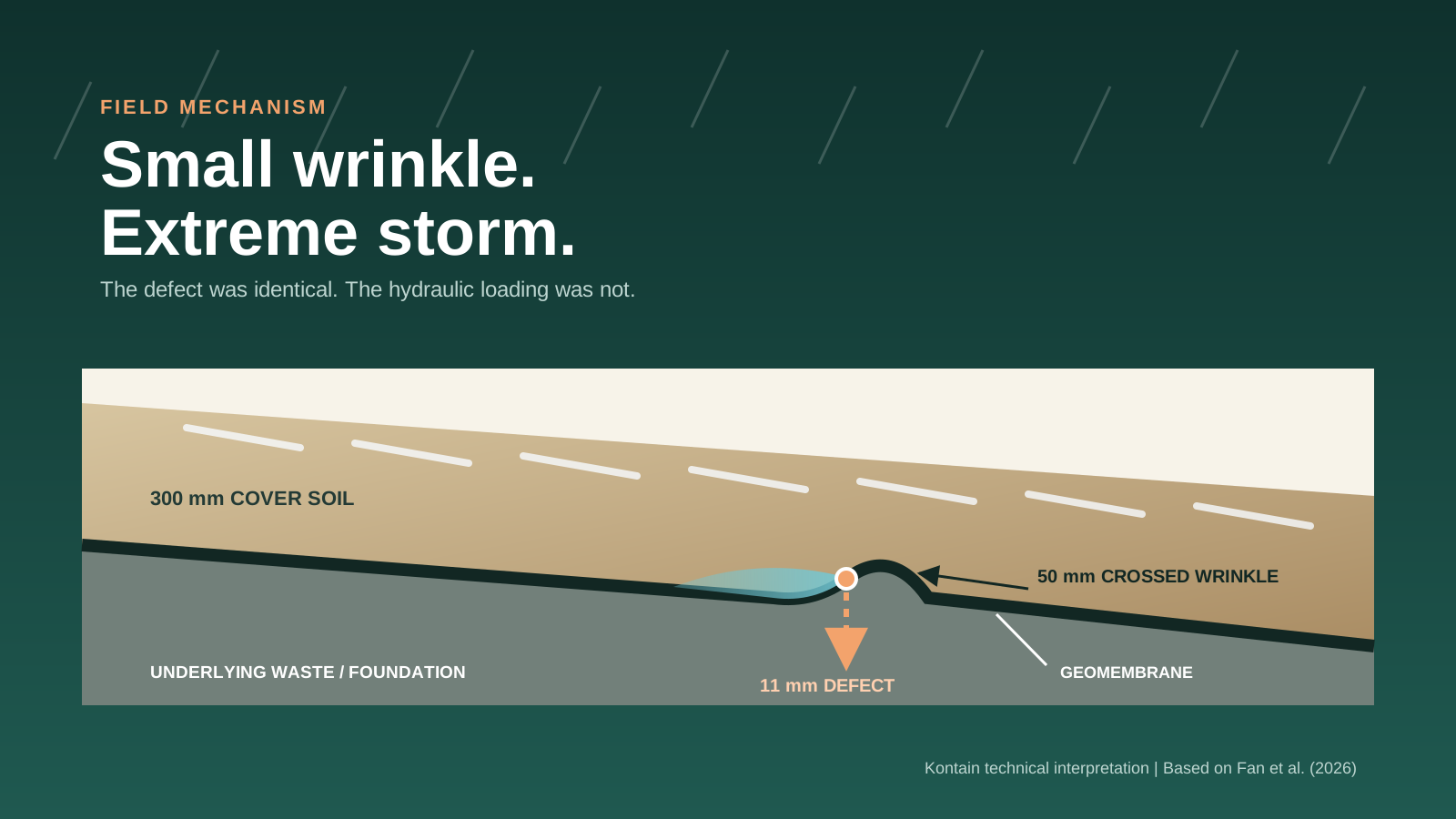
A 2026 field study shows how crossed geomembrane wrinkles and one extreme storm combined to control leakage through a waste cover defect.
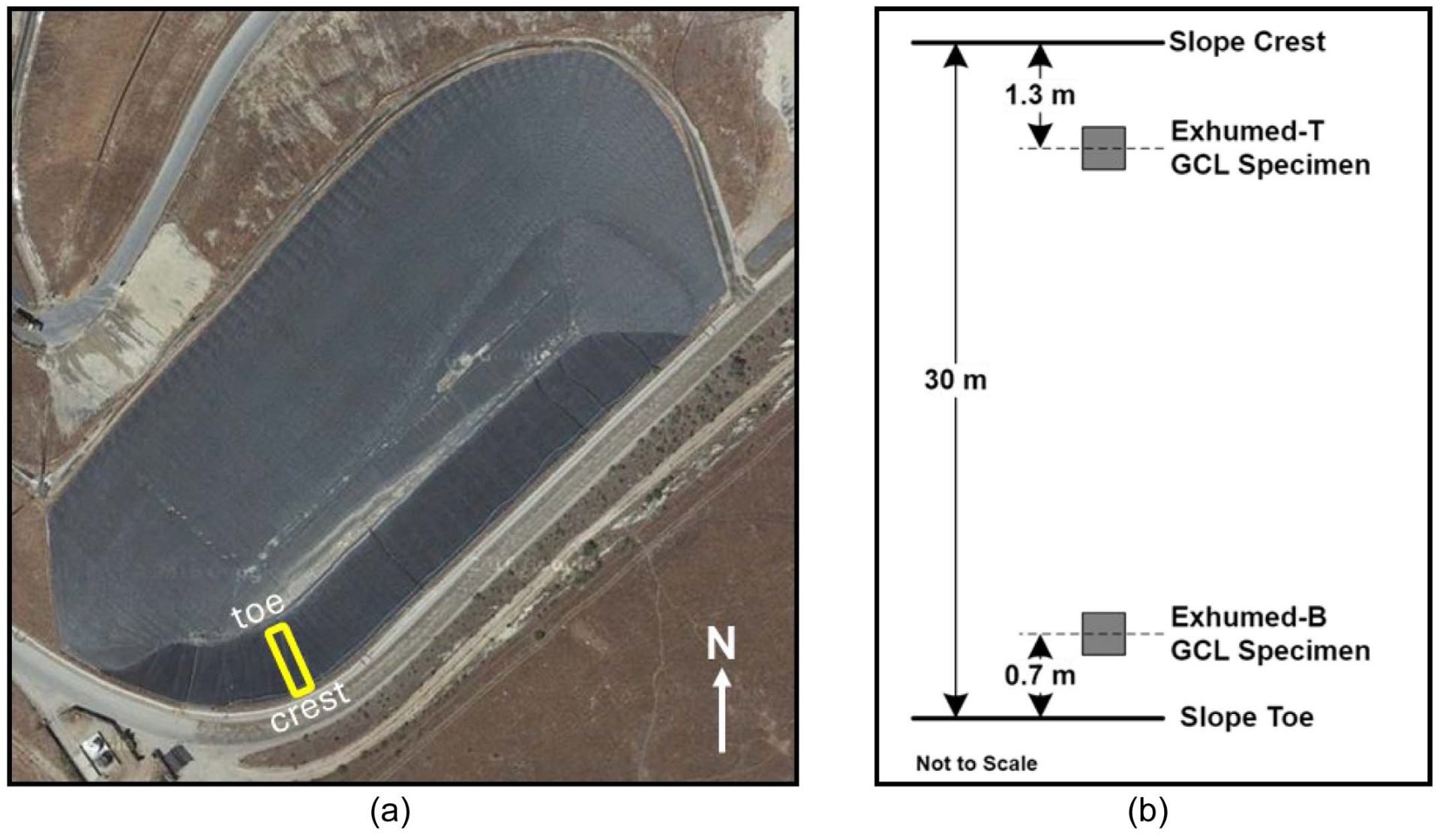
What a 12-year exhumation study reveals about bentonite redistribution, cation exchange, membrane efficiency and the risk of treating virgin GCL data as permanent.
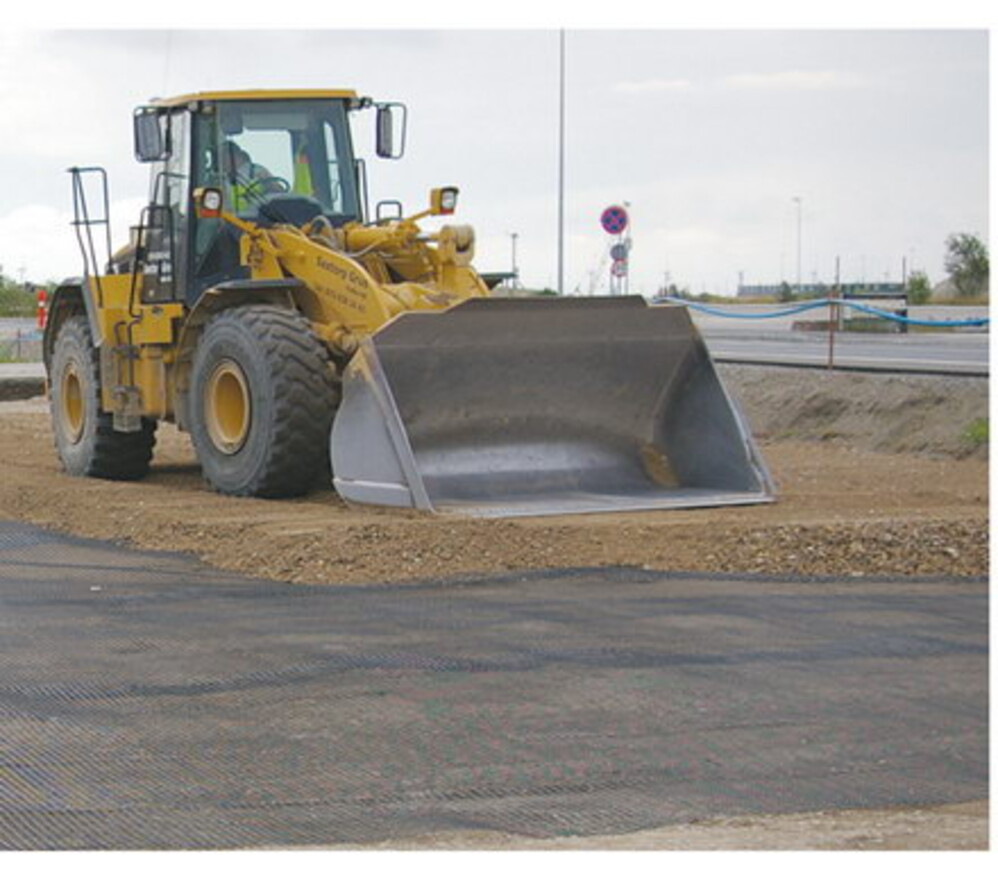
A field-validated study reported 6–24% embodied-carbon reductions, but only after geogrid performance was converted into thinner, project-specific pavement sections.
A practical framework for moving from the ground, load, water and construction problem to the right geosynthetic function, evidence and supply pathway.
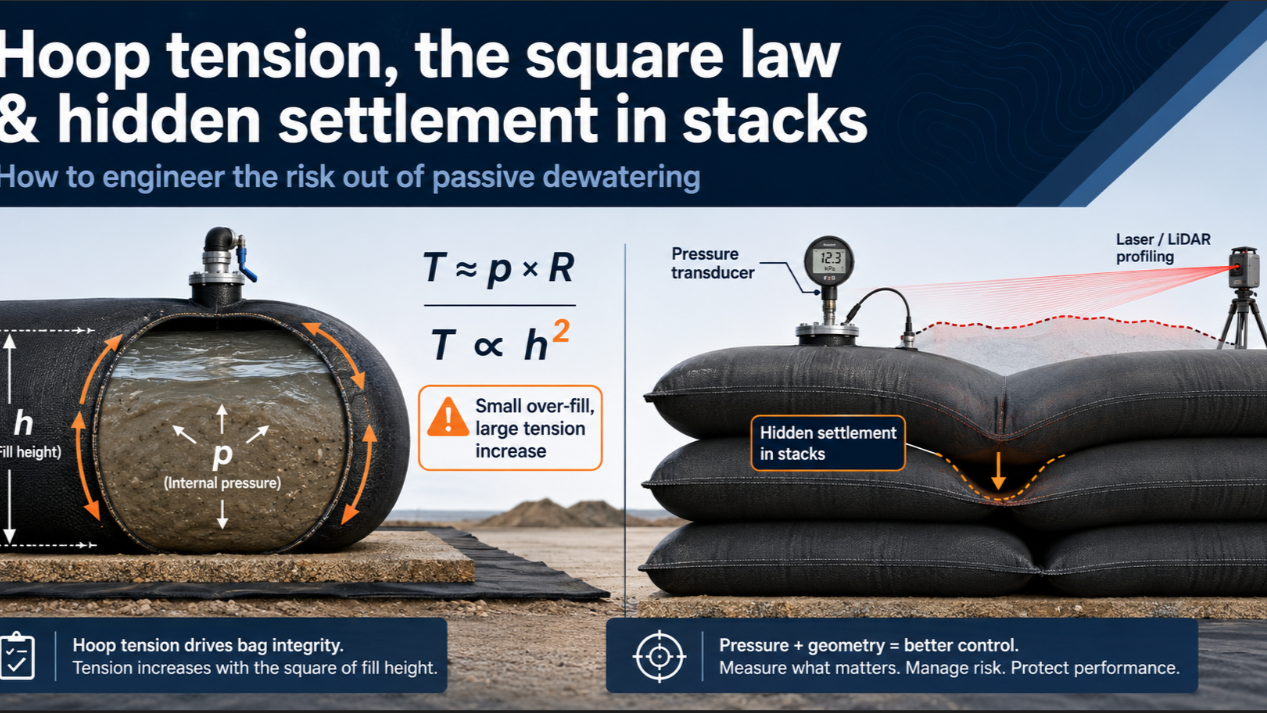
Hoop tension, the square law, hidden settlement in stacks, and how to engineer the risk out of passive dewatering.

Geotextile dewatering stacks, the rupture conversation we’ve avoided, and a cost case that small mines can actually fund
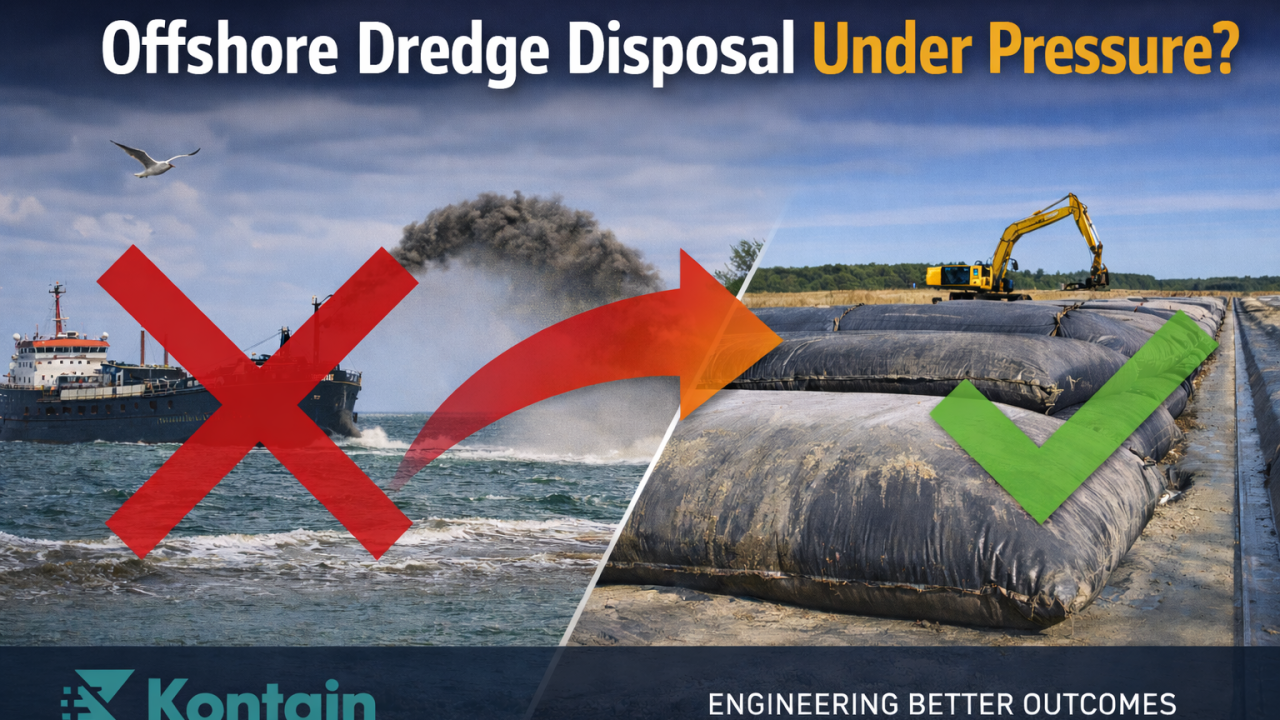
For decades, offshore disposal of dredged material has been the default approach.
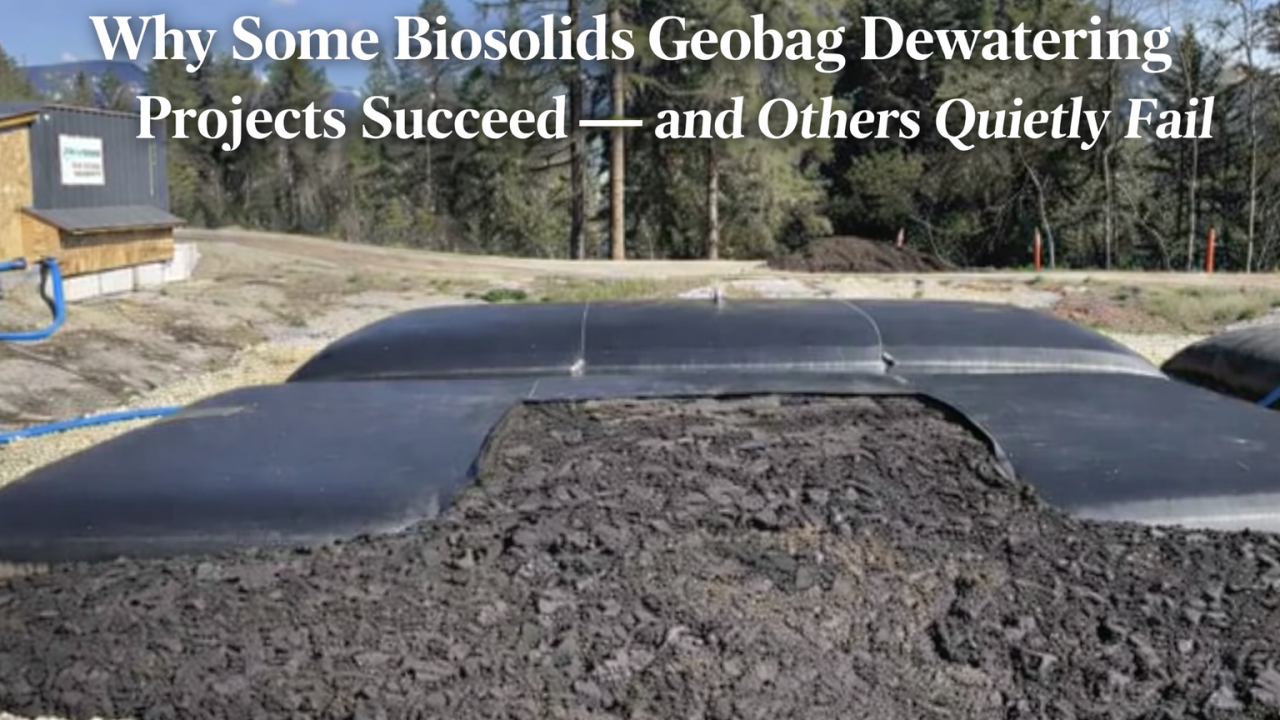
Why polymer control, sludge variability, filling sequence and realistic cake expectations determine whether biosolids geobag dewatering succeeds.
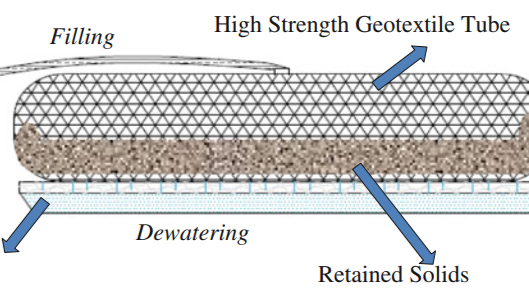
Why apparent opening size, permeability, sludge behaviour, polymer response and seam capacity must be assessed together when selecting a geobag.
Why fill height, pressure, seam capacity and operating controls govern overfill risk in large geotextile dewatering containers.
Have a project question?